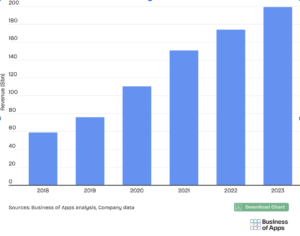
The video streaming industry was worth $199 billion in 2023. Viewers can’t get enough of platforms like Twitch, where 2.37 million people watch streams at the same time. Disney+ made $100 million in just one month from mobile users.
The numbers tell a clear story – people love watching real-time content and they are ready to pay for it. This in turn creates huge opportunities for new businesses. With good planning and the right tools, your streaming app could be next in line for success. This guide will show you how.
how to make live streaming app
What is a Live Streaming App?
A live streaming app lets users broadcast video in real-time to viewers anywhere in the world. Unlike regular TV, people can watch these streams on any device connected to the internet – phones, tablets, computers, or smart TVs.
Many social media platforms like Facebook, Instagram, and TikTok now include basic live streaming features. But standalone streaming apps offer much more. These specialized platforms provide better video quality, custom branding options, and ways for creators to make money.
Professional streamers choose dedicated apps because they need reliable tools for their business. These apps help them reach wider audiences and turn their content into income through ads, subscriptions, and donations.
Why is Live Streaming so Popular?
Broadcasting has evolved from TV studios to anyone with a smartphone. Today’s viewers crave authentic, unedited content they can watch in real-time.
Before diving into live streaming app development, it is advisable to understand what makes this technology so compelling. Creating a streaming platform requires technical expertise, but the potential rewards make it worth considering.
Here’s why live streaming continues to dominate digital media:
Key Benefits of Live Streaming
Real-Time Connection
Live streaming creates authentic connections between creators and viewers. When events unfold in real-time, nothing can be edited out. This raw, unfiltered content feels more trustworthy than polished videos. Viewers value this authenticity and keep coming back for more.
Broader Reach
Social platforms prioritize live content in their algorithms. When you go live on Instagram or Facebook, followers get instant notifications. YouTube ranks live videos higher in search results. This built-in promotion helps you reach more people without extra marketing costs.
Interactive Experience
Unlike traditional media, live streams let viewers participate through comments, reactions, and questions. This two-way communication fosters community and helps creators gain a deeper understanding of their audience. People stay engaged longer when they feel part of the experience.
Accessibility
Viewers can watch live content on any device with internet access. Whether it’s a major sports event, music festival, or business conference, geography is no longer a barrier to participation. This flexibility makes live content more accessible than traditional TV broadcasts.
Cost-Effective Content
Creating live content requires less production time and budget than edited videos. Even with basic equipment, businesses can produce engaging streams that connect with audiences. Professional-quality broadcasting tools are now available to creators at all levels, making it easier to deliver polished live experiences.
Business Growth Opportunities
For businesses, live streaming fosters brand loyalty, enhances transparency, and boosts customer conversion rates. Internal teams can utilize streaming for enhanced communication, while creators can monetize their skills and talents across global audiences.
The popularity of live streaming continues to grow as more people prefer visual content over reading. If you’re not already using this powerful tool, your competitors likely are.
Types of Live Streaming Apps
Before starting your streaming project, you need to decide which type best fits your goals. The streaming market is divided into three main categories, each serving different audience needs.
Live Broadcasting Apps
These are the most common streaming platforms where creators broadcast real-time video and audio to their audience. Popular examples include:
- YouTube Live: For a wide range of content creators
- Twitch: Primarily for gamers and creative streamers
- Instagram Live: For social media influencers
- Periscope: For casual mobile broadcasting
Live broadcasting apps attract celebrities, bloggers, gamers, educators, and health professionals. Viewers tune in to ask questions, learn new skills, be entertained, or seek advice. Real-time interaction fosters an engaging community experience.
Video on Demand (VOD) Apps
Unlike live broadcasts, VOD platforms offer pre-recorded content that users can watch anytime. Think:
- Netflix: Movies and TV shows
- Hulu: TV episodes and original content
- Disney+: Family-friendly entertainment
These apps let viewers pause, rewind, and watch content at their convenience. Many people willingly pay subscription fees for easy access to their favorite shows without downloading files. For developers, organizing content by genre makes the user experience more intuitive.
Audio Streaming Apps
These platforms focus exclusively on sound—no video required. Popular examples include:
- Spotify: Music streaming
- Apple Music: Music library and streaming
- Pandora: Personalized radio stations
- Clubhouse: Live audio chat rooms
Audio apps serve music lovers and podcast enthusiasts. They allow users to access vast libraries of content without storing files on their devices. These platforms typically offer both free (ad-supported) and premium subscription options.
When choosing which type to develop, consider your target audience, content sources, and monetization strategy. Many successful platforms now combine elements from multiple categories to create hybrid experiences.
Features of a Live Streaming App
The success of your streaming application depends on finding the perfect balance of features. Like crafting a gourmet meal, you need to combine the right ingredients in appropriate proportions. Too many features overwhelm users while too few leave them hungry for more. Let’s explore the most valuable features that will make your streaming platform stand out.
Core User Features
- Streamlined Registration & Authentication
First impressions matter. When a new user discovers your app, you have mere seconds to convert their interest into action. Complex registration forms are conversion killers – each additional field reduces sign-up rates by approximately 10%.
Modern users expect quick, frictionless access:
- Email/password sign-up with minimal required fields
- Social media integration for one-tap registration
- Biometric authentication options for returning users
- Guest viewing capabilities for those not ready to commit
Remember, registration isn’t just about collecting user data – it’s about creating a sense of belonging. When designed thoughtfully, this process transforms casual visitors into community members.
- Personalized User Profiles
A well-designed profile serves as both a user’s identity within your platform and their control center for personalization. Think of it as their digital living room – comfortable, familiar, and arranged to their liking.
Effective profiles balance information with simplicity:
- Basic user info and content preferences
- Viewing history and saved content collections
- Following/follower management for community building
- Granular privacy controls for shared information
- Content creation dashboard (for those who stream)
The profile experience should evolve with usage, becoming more tailored as the system learns user preferences. This creates a sense of the app “getting to know” the user, strengthening their connection to your platform.
- Content Discovery
Even the most amazing content is worthless if users can’t find it. Discovery isn’t just a feature – it’s the bridge connecting users to the experiences they’ll love but don’t yet know exist.
Help users uncover content that resonates with them:
- Intelligent search with contextual filters
- Thoughtfully organized content categories
- Personalized recommendations based on viewing patterns
- Featured and trending sections for community-validated content
- Geographic filtering for location-relevant streams
The best discovery systems feel almost magical, surfacing exactly what users want before they even realize they want it.
Streaming Technology Features
- High-Performance Video Player
Your video player is the canvas where all content experiences unfold. Unlike social media where users might tolerate occasional glitches, streaming audiences have extremely high standards for playback quality.
Create a viewing experience that disappears into the background:
- Support for HTTP Live Streaming (HLS) or MPEG-DASH protocols
- Thoughtful playback controls that appear when needed, vanish when not
- Picture-in-picture mode for multitasking viewers
- Adjustable playback speeds for different content types
- Customizable interface elements for viewer comfort
When designed well, users shouldn’t notice your player at all – they should be completely immersed in the content itself.
- Adaptive Streaming Quality
Not all viewers have fiber-optic internet. Your streaming technology needs to deliver the best possible experience across wildly varying network conditions – from 5G connections to spotty public WiFi.
Smart quality adaptation creates buffer-free experiences:
- Automatic bitrate adjustment based on connection stability
- Optional manual quality selection for bandwidth-conscious users
- Transparent indicators of stream health and quality
- Pre-buffering of likely content based on viewing patterns
- Support for cutting-edge formats like 4K and HDR when possible
The hallmark of great adaptive streaming is that viewers rarely think about it – the experience simply works, regardless of their connection quality.
- Cloud Infrastructure
Behind every smooth streaming experience lies a complex technical ecosystem. Cloud infrastructure decisions made early in development will determine your ability to scale and adapt as your platform grows.
Invest in flexible, powerful backend systems:
- Scalable content delivery networks that grow with your user base
- Efficient video compression to balance quality and bandwidth
- Distributed storage solutions for content accessibility
- Low-latency delivery for truly “live” experiences
- Reliable content backup and archiving systems
While users never directly interact with these systems, they’ll immediately feel their impact through performance, reliability, and the overall quality of your service.
Engagement Features
- Interactive Communication
Humans are social creatures. What separates live streaming from traditional video is the vibrant sense of community and shared experience. Interactive features transform passive viewing into active participation.
Foster meaningful connections around your content:
- Real-time chat during live streams with emoji reactions
- Threaded comments on recorded videos for ongoing conversations
- Moderation tools that create safe, welcoming spaces
- Direct messaging between community members
- Q&A and polling features for creator-audience interaction
The most successful streaming platforms aren’t just content delivery services – they’re bustling digital communities where relationships form around shared interests.
- Social Integration
Your streaming app doesn’t exist in isolation. It’s part of users’ broader digital lives, which increasingly revolve around social media platforms. Smart integration with these networks amplifies your reach and embeds your content into the social fabric.
Connect your platform to users’ existing digital ecosystems:
- Seamless sharing across major social platforms
- Embeddable players that maintain your branding
- Friend-finding tools to build community through existing connections
- Cross-platform notifications that respect user preferences
- Content embedding for blogs and websites
When implemented thoughtfully, social features turn every user into a potential ambassador for your platform.
- Creator Tools
Content creators are the lifeblood of any streaming platform. The easier you make it for them to produce compelling content, the more they’ll invest in your ecosystem. Creator-friendly features attract and retain the talent that drives viewer engagement.
Empower creators with professional-grade tools:
- Intuitive screen sharing with custom region selection
- Multiple camera support for dynamic presentations
- Collaborative broadcasting with guest creators
- Scheduling and promotion tools for upcoming streams
- Analytics that help creators understand their audience
Remember, creators have options. The platforms that win their loyalty are those that help them grow their audience while minimizing technical headaches.
User Experience Elements
- Intuitive Interface Design
Interface design is where technology and psychology meet. An intuitive interface anticipates user needs and fulfills them without drawing attention to itself. It should feel like a natural extension of human thought.
Create an experience that’s both powerful and invisible:
- Clean layouts that emphasize content over controls
- Thoughtful dark mode implementation for comfortable viewing
- Consistent navigation patterns that become second nature
- Touch-optimized interactions for mobile users
- Accessibility features that welcome users of all abilities
The best interfaces don’t make users think – they simply understand what users want and deliver it effortlessly.
- Cross-Platform Compatibility
Today’s viewers expect continuity as they move between devices. They might discover content on their phone during their commute, continue watching on their desktop at lunch, and finish on their smart TV in the evening.
Meet users wherever they choose to engage:
- Responsive web design that adapts to any screen size
- Native mobile applications optimized for on-the-go viewing
- Smart TV and console apps for lean-back experiences
- Synchronized accounts, watchlists, and progress
- Consistent design language across all platforms
Cross-platform excellence isn’t just about availability – it’s about creating a seamless ecosystem where transitions between devices are invisible to the user.
- Offline Capabilities
Not every viewer has constant internet access. Offline features extend your platform’s utility beyond connected moments, keeping users engaged even when they’re off the grid.
Maintain the relationship when users disconnect:
- Downloadable content for planes, subways, and remote locations
- Background downloads that prepare content for future offline viewing
- Smart storage management to respect device limitations
- Progress synchronization when users reconnect
- Offline recommendations based on previously downloaded content
Offline capabilities transform your app from a streaming service to a reliable entertainment companion that’s always available when needed.
Advanced Features
- Push Notifications
In today’s attention economy, notifications are your direct line to users who aren’t actively using your app. Used judiciously, they can significantly increase engagement and retention. Used carelessly, they become annoying intrusions that lead to uninstalls.
Create a notification system that users appreciate rather than tolerate:
- Timely alerts when followed creators go live
- Personalized content suggestions based on viewing history
- Activity notifications for social interactions
- Critical system and account updates
- Granular preference controls that respect user choices
The golden rule of notifications: each one should deliver more value to the user than the interruption costs them.
- Monetization Infrastructure
Sustainable streaming platforms need reliable revenue streams. Your monetization approach should create value for all stakeholders – viewers, creators, and your business – without degrading the user experience.
Build financial systems that support your ecosystem:
- Flexible subscription management with multiple tiers
- Thoughtful ad integration that respects the viewing experience
- Virtual gifting and tipping systems that connect fans with creators
- Transparent creator payment processing
- Premium content gating that feels exclusive rather than restrictive
The most successful monetization strategies don’t feel like extraction – they feel like fair exchanges of value that users are happy to participate in.
Monetizing Your Live Streaming App
Live streaming app development isn’t just about creating a cool platform – it’s about building a sustainable business. The good news? Streaming offers multiple revenue streams that can work together to create a profitable ecosystem. Let’s explore how to turn viewer engagement into business success.
Affiliate Programs
Affiliate partnerships create a win-win relationship between your platform, content creators, and advertisers.
How it works:
- Invite popular streamers to join your affiliate program
- During broadcasts, targeted ads appear to viewers
- Revenue is shared between your platform and the streamer
- Advertisers pay based on impressions, clicks, or conversions
Twitch’s Affiliate Program is a prime example, requiring streamers to have at least 50 followers and stream for 8 hours across 7 days before qualifying. This approach rewards quality content while ensuring advertisers reach engaged audiences.
Subscription Models
Subscriptions provide predictable, recurring revenue – the holy grail for business sustainability. This model works particularly well for VOD and audio streaming platforms.
Implementation options:
- Tiered subscription plans (basic, premium, family)
- Free trials to overcome sign-up hesitation
- Annual discounts to improve retention
- Content exclusivity for subscribers
- Ad-free experience as a premium benefit
Netflix demonstrates this model’s potential, generating over $8 billion quarterly through subscriptions alone. For your app, consider what exclusive value subscribers receive that free users don’t – whether that’s content, features, or experience improvements.
Pay-Per-View Systems
Unlike subscriptions, pay-per-view lets you charge for specific content pieces. This works great for special events or premium releases.
Best practices:
- Clear pricing displayed before purchase
- Seamless payment processing
- Flexible viewing windows (24 hours, 48 hours, 7 days)
- Bundling options for related content
- Preview capabilities to drive purchase decisions
Major UFC fights show how pay-per-view works. In the US, fans buy big fights through ESPN+ for about $70, while smaller fights come with the basic UFC Fight Pass subscription. When setting up pay-per-view, match your prices to what viewers think the content is worth. Fans will pay more for events they really care about.
Viewer Donations
Donations create direct financial connections between viewers and creators. This model thrives on community appreciation and engagement.
Key elements for success:
- Simple, frictionless donation process
- Multiple payment options (credit card, PayPal, Apple Pay)
- Custom donation amounts with suggested tiers
- Animated on-screen acknowledgments
- Perks for donors (badges, shout-outs, exclusive emotes)
Twitch uses “bits” and YouTube has “Super Chats” to let viewers send money during streams. Make donating both easy and fun. Viewers want to feel good about giving money, and they want the process to be quick.
Advertising Integration
Advertising remains the backbone of content monetization. When thoughtfully implemented, it can generate substantial revenue without disrupting the user experience.
Effective advertising approaches:
- Pre-roll ads before content begins
- Mid-roll ads during natural content breaks
- Banner and overlay ads that don’t obstruct viewing
- Native advertising that feels contextual and relevant
- Interactive ad formats with higher engagement rates
TikTok’s advertising platform demonstrates how targeting capabilities can command premium rates from advertisers. The more you know about your audience, the more valuable your advertising inventory becomes.
Merchandise and Virtual Goods
Digital and physical merchandise offers additional revenue streams beyond the viewing experience itself.
Opportunities include:
- In-app currency that can be gifted to creators
- Digital items like custom emotes and badges
- Virtual gifts that appear during streams
- Branded merchandise promoted through the app
- Creator-specific items that support their channels
BIGO Live makes a lot of money through virtual gifts. Viewers buy diamonds with real money, then use these diamonds to send fun animated gifts to streamers.
White-Label Solutions
Once your streaming app is stable and working well, you can sell your technology to other businesses. They can put their own brand on it and use it for their needs.
This approach allows you to:
- License your streaming tools to corporate clients
- Create custom-branded solutions for events
- Offer packages for company communications
- Develop versions for specific industries
- Build business revenue alongside consumer revenue
IBM Video Streaming (once called Ustream) now sells their streaming tools to big companies. They took what worked for regular users and adapted it for business needs.
Choosing Your Monetization Mix
The most successful streaming platforms rarely rely on a single revenue model. Instead, they blend multiple approaches to create a balanced revenue portfolio. For example:
- Free tier supported by advertising
- Premium subscription for ad-free viewing
- Pay-per-view for special content
- Donation systems for creator support
- Merchandise for brand extension
Choose money-making methods that fit your content and audience. Look at what similar apps are doing. Start with what your users expect, then add more ways to earn as your app grows.
Making money should make your app better, not worse. Every way you earn should add value for users, creators, and advertisers. Plan carefully, and your streaming app can be both popular and profitable.
What to Do After Your App Launch?
Launching your streaming app is just the beginning of your journey. The live streaming app development process continues well after release day. In this highly competitive space, your post-launch strategy can make the difference between an app that thrives and one that disappears.
Strategic Promotion
Getting your app in front of the right eyes requires a multi-channel approach:
Targeted Advertising
Create ads that highlight your app’s unique features. Focus on what makes your platform different from giants like Twitch or YouTube. Use platforms where your target audience already spends time:
- Google Ads for search traffic
- Instagram and TikTok for younger audiences
- LinkedIn for professional or educational streaming apps
- Reddit for niche communities
Influencer Partnerships
Identify content creators who align with your platform’s focus. Even mid-sized streamers with highly engaged audiences can drive significant downloads. Offer them special incentives to try your platform and bring their followers along.
App Store Optimization (ASO)
Many users discover apps through store searches. Optimize your listing with:
- Relevant keywords in your title and description
- Eye-catching screenshots showing your app in action
- A preview video demonstrating key features
- Positive reviews (consider a review prompt after positive user experiences)
Data-Driven Improvement
The real work begins after users start using your app:
Track the Right Metrics
Focus on metrics that reveal actual engagement, not just downloads:
- Daily and monthly active users
- Session length and frequency
- Feature usage patterns
- Retention rates at 1, 7, and 30 days
- Conversion rates for monetization features
Identify Drop-off Points
Use analytics to find where users abandon your app. Common trouble spots include:
- Complicated registration processes
- Technical issues during first streams
- Confusing navigation elements
- Difficulty finding relevant content
Gather User Feedback
Create multiple channels for users to share their experience:
- In-app feedback forms
- Community forums or Discord servers
- Social media monitoring
- Direct outreach to power users
User Retention Strategies
As your data shows, keeping users is harder than acquiring them. Those first few days are critical – 25% of users leave after just one session. Here’s how to keep them engaged:
Smooth Onboarding
Guide new users to their first successful experience:
- Create interactive tutorials for key features
- Suggest content based on initial interests
- Celebrate small wins (first view, first comment, first follow)
- Reduce steps needed to reach valuable content
Build Community Connections
Lonely users leave quickly. Help them form connections:
- Recommend streams based on viewing history
- Highlight chat activities and discussions
- Create topic-based channels or categories
- Host platform-wide events to bring users together
Reward Engagement
Give users reasons to return daily:
- Create a loyalty program with meaningful perks
- Offer exclusive content for regular viewers
- Implement daily rewards or streaks
- Provide early access to new features for active users
Personalize Experiences
Show users you understand their preferences:
- Tailor content recommendations to viewing history
- Send notifications about favorite creator activities
- Customize the interface based on usage patterns
- Remember user preferences across devices
Continuous Evolution
The streaming landscape changes rapidly. Keep your app relevant with:
Regular Updates
Maintain momentum with a consistent update schedule:
- Fix bugs quickly to maintain trust
- Add small features monthly to show active development
- Plan larger releases quarterly to generate excitement
- Communicate changes clearly through release notes and announcements
Feature Expansion
Let your roadmap be guided by user behavior:
- Double down on popular features
- Improve or remove underused functions
- Monitor competitors for inspiration (not imitation)
- Test new ideas with beta groups before full release
Creator Success Programs
Your platform is only as good as its content:
- Develop tools to help creators improve stream quality
- Create educational resources about effective streaming
- Highlight successful creators and their growth stories
- Build communication channels between you and top creators
The months following your app launch are crucial for establishing your place in the streaming ecosystem. By focusing on smart promotion, data-driven improvements, user retention, and continuous evolution, you’ll give your streaming platform the best chance of long-term success in this competitive landscape.
Using CPaaS to Enhance Your Live Streaming App
Live streaming app development becomes significantly more efficient when leveraging Communication Platform as a Service (CPaaS) technology. These cloud-based platforms enable developers to integrate real-time communication features without needing to build complex backend infrastructure from scratch.
At Trembit, we’ve found that CPaaS solutions can reduce development time by up to 70% while enhancing app functionality. Here’s how to implement this approach:
Key Steps for CPaaS Integration
- Map Your Communication Requirements
- Identify which features your users need most: chat, video calls, screen sharing
- Determine required quality levels and bandwidth considerations
- Plan how these features will enhance your core streaming experience
- Select the Right CPaaS Partner
- Evaluate providers based on reliability, scalability, and feature set
- Popular options include Twilio, Vonage API Platform, and Agora
- Consider specialized streaming-focused solutions for better video quality
- Implement and Customize
- Use the provided SDKs to embed communication features into your app
- Adapt the UI to match your app’s design language
- Ensure seamless transitions between streaming and communication features
- Optimize for Performance
- Test across various network conditions and devices
- Implement adaptive quality adjustments based on connection strength
- Balance feature richness with bandwidth efficiency
CPaaS integration is particularly valuable for niche streaming platforms that need to differentiate from giants like Twitch or YouTube. By focusing development resources on unique content and community features, while using CPaaS for communication infrastructure, smaller platforms can create distinctive experiences without massive technical investment.
When implemented correctly, these communication capabilities become invisible parts of the user experience—they simply work when needed, enhancing the core purpose of your streaming platform.
Conclusion: Making Smart Choices for Your Streaming Project
When bringing your streaming vision to life, you’ll face a critical fork in the road. One path leads toward budget tools and quick fixes. The other involves teaming up with seasoned developers who understand streaming’s unique challenges.
While the do-it-yourself route might save money initially, streaming platforms face technical hurdles unlike standard apps. Poor buffer management, choppy video quality, or server crashes can sink a promising platform in its early days. Even small technical hiccups can send viewers clicking away, perhaps never to return.
Experienced developers bring more than coding skills to your project. They contribute practical knowledge about network optimization, content delivery systems, and user behavior patterns specific to streaming platforms. This expertise helps avoid common pitfalls that often plague first-time streaming apps.
Trembit is a video streaming app development company that approaches each project with attention to its unique requirements. Our technical team works within your vision and budget constraints while ensuring your platform can handle real-world demands.
Take Your Next Step
Curious about what’s possible for your streaming concept? Reach out for a brief consultation to discuss your specific needs. We can provide a realistic assessment of what it would take to build a platform that truly serves your audience.
Every successful streaming platform began as someone’s idea. Let’s explore how to turn yours into reality.