As real-time video becomes the backbone of modern digital experiences — from telehealth to online dating, remote work to virtual events — WebRTC (Web Real-Time Communication) has solidified its place as the go-to technology for low-latency, browser-based video streaming.
In 2025, European businesses are turning to WebRTC-based solutions more than ever, prioritizing GDPR compliance, scalability, and low-latency performance. Whether you’re building a B2C video chat platform or an internal communication tool, partnering with the right European WebRTC service provider can make all the difference.
This article explores the current state of WebRTC in Europe, common use cases, and highlights the top European providers helping businesses launch reliable, secure, and interactive video experiences.
Why WebRTC?
WebRTC (Web Real-Time Communication) empowers web and mobile applications with instant video, voice, and data sharing — all without plugins or additional software. As of 2025, it’s widely regarded as the default standard for embedding live communication features into digital products across industries.
Here’s why European businesses continue to choose WebRTC for their real-time video solutions:
Ultra-Low Latency for Live Engagement
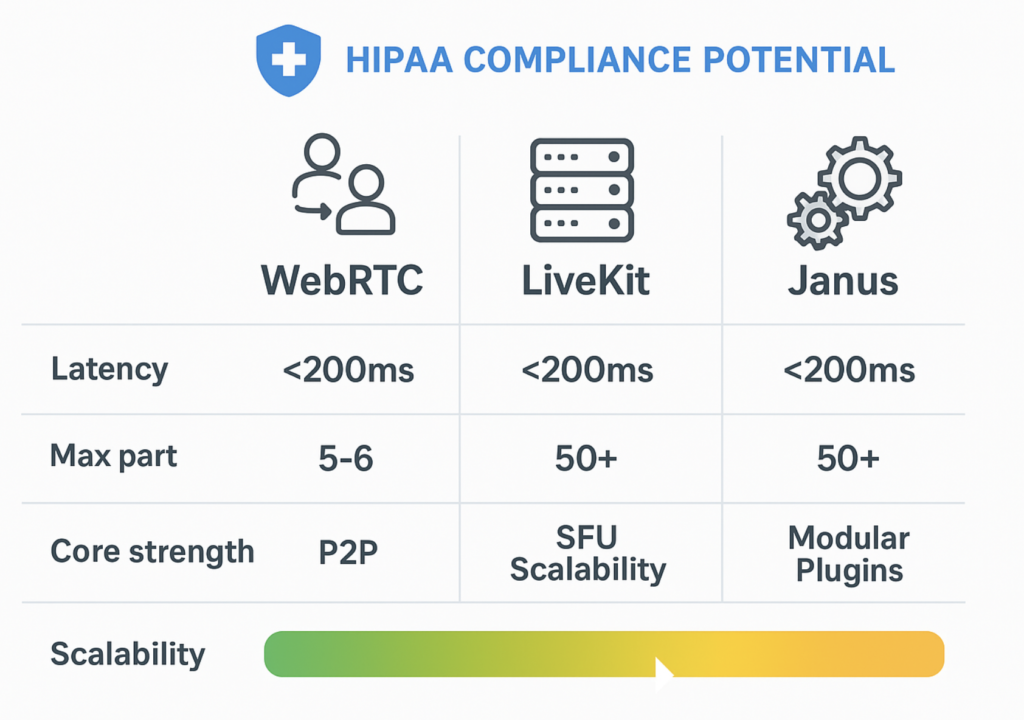
WebRTC minimizes delay to under 200 milliseconds, enabling seamless, real-time interaction. This responsiveness is critical for applications like virtual consultations, live customer service, speed dating, and interactive webinars — where even slight delays can disrupt user experience.
Built-in Security and GDPR Compliance
WebRTC uses advanced encryption protocols (DTLS and SRTP) by default, ensuring that every video, audio, and data stream is protected end to end. Combined with European data hosting, this makes it a natural fit for GDPR and ePrivacy-aligned implementations in sectors like healthcare and finance.
Cross-Platform Accessibility
Out of the box, WebRTC works in all major browsers — Chrome, Firefox, Safari, and Edge — and integrates easily into iOS and Android apps using SDKs. This eliminates barriers to entry and helps you reach a broader audience across devices without building native clients.
No Installs, No Friction
Users can launch video calls directly in their browser — no Zoom downloads, plugin installs, or registration walls. This frictionless experience dramatically improves onboarding and conversion in customer-facing platforms like dating, education, or virtual shopping.
Easy Backend Integration
WebRTC’s flexible APIs allow you to embed live communication features into existing web apps, CRMs, EMRs, or support systems with minimal development effort. It also plays well with AI tools (speech-to-text, content moderation), cloud recording, and analytics for a fully customized video stack.
Scalable Infrastructure with SFU/MCU Support
To support group calls and high-traffic scenarios, WebRTC can be deployed with Selective Forwarding Units (SFUs) or Multipoint Control Units (MCUs). These architectures optimize bandwidth and processing across users, enabling cost-effective scaling as your user base grows.
Advanced Features Ready for 2025
Modern WebRTC implementations come packed with capabilities that rival enterprise video platforms:
- Screen sharing & remote control
- AI-powered background blur
- Live transcription & auto-captioning
- Breakout rooms and multi-party meetings
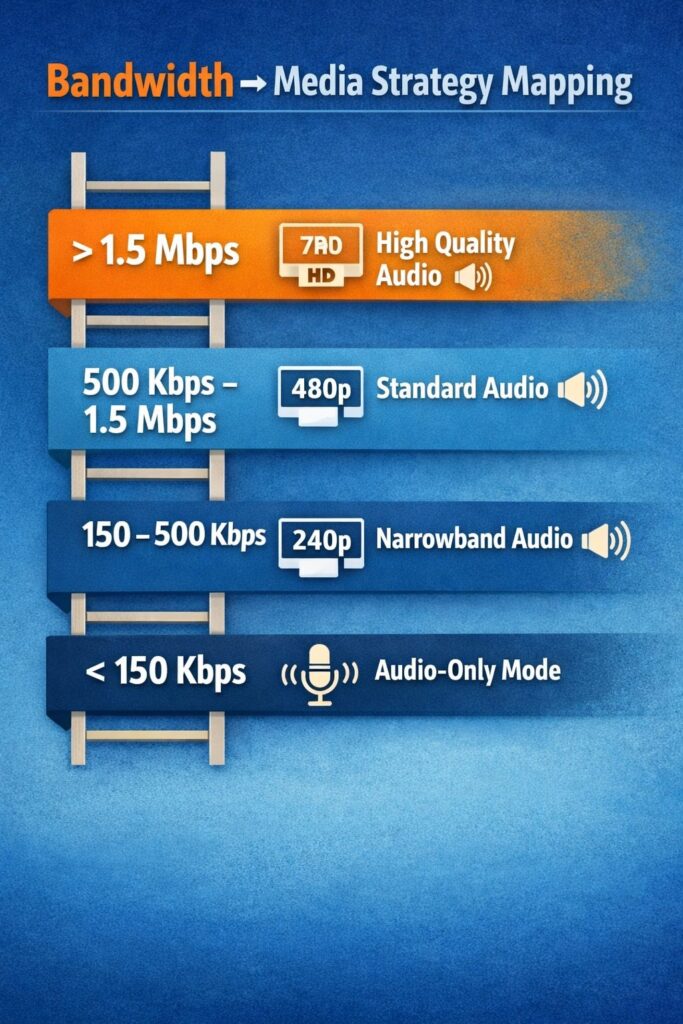
- Adaptive quality for unreliable networks
With these strengths, WebRTC continues to drive the future of digital interaction — powering applications where immediacy, security, and cross-device access are essential.
Top Use Cases for WebRTC in 2025
In 2025, WebRTC isn’t just a video technology — it’s the foundation of countless real-time communication experiences across industries. Thanks to its low latency, browser compatibility, and native encryption, WebRTC is powering some of the most engaging and mission-critical platforms across Europe.
Here are the most prominent and high-value use cases in today’s WebRTC ecosystem:
Telemedicine & eHealth Platforms
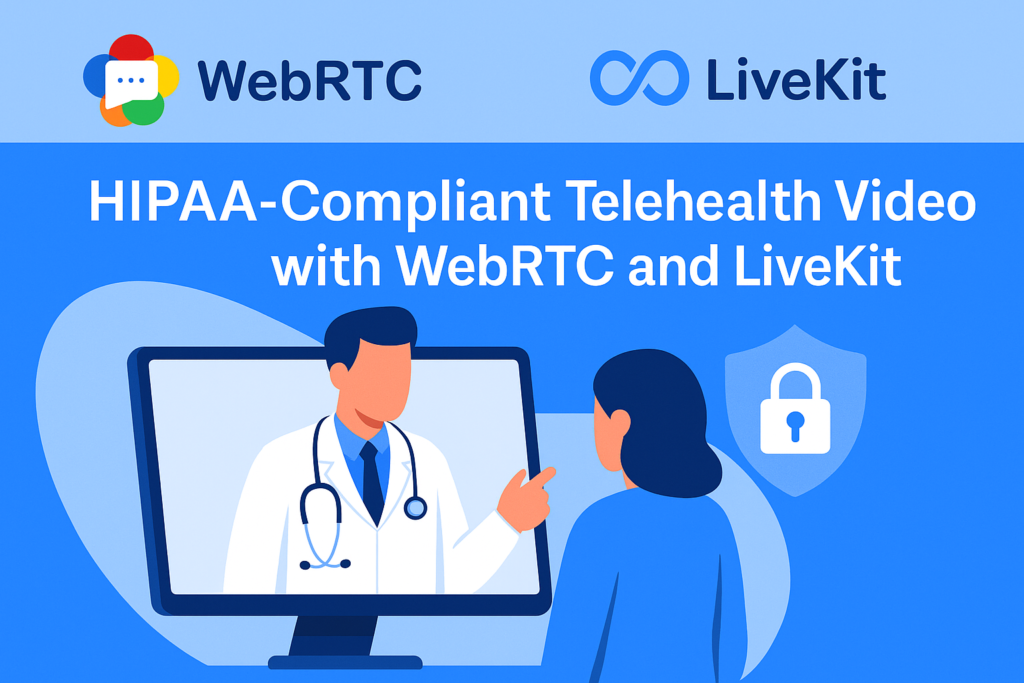
With continued pressure on healthcare systems across the EU and the push for remote-first services, WebRTC has become the backbone of virtual consultations. It enables real-time doctor-patient video calls, remote diagnostics, and mental health therapy — all with the privacy and encryption required by GDPR and EU MDR regulations.
Key Features Enabled:
- Secure browser-based video consultations
- Screen sharing for showing test results or treatment plans
- Integration with Electronic Health Records (EHR)
- Medical-grade recording for audit trails
Online Learning & EdTech
WebRTC is transforming online learning from passive video watching to interactive, real-time classrooms. European EdTech platforms use it to power live tutoring, student breakout groups, and teacher dashboards — all within the browser.
Popular Use Cases:
- Virtual classrooms for schools and universities
- One-on-one tutoring sessions
- AI-assisted language training with real-time feedback
- Secure proctoring for exams using webcam + screen capture
Dating & Social Discovery Apps
Modern dating apps demand more than just profile swipes. Users expect safe and meaningful interactions — and real-time video is the new standard for building trust before in-person meetings. WebRTC supports fast, secure, and scalable in-app video chat with built-in moderation and regional data compliance.
Emerging Trends:
- Video-first speed dating
- Verified profile video calls (with fraud detection)
- “Blind date” modes with timed video reveals
- AI-enhanced compatibility analytics during calls
Remote Work Tools
From startups to enterprises, distributed teams across Europe rely on WebRTC-powered tools for daily meetings, customer support, and internal communication. Unlike heavier platforms, WebRTC offers lightweight, embedded video solutions that can be branded and integrated into existing software.
Examples:
- Embedded video chat in CRM and support systems
- Secure peer-to-peer file sharing between teams
- Custom white-labeled video meeting apps
- Real-time transcription and auto-notes via AI
Live Events, Streaming & Interactive Webinars
As hybrid events become the norm, WebRTC enables ultra-low-latency participation in Q&As, backstage interviews, and small group networking. Unlike traditional CDN-based streams with 15–30 sec delay, WebRTC offers sub-second lag — perfect for interactive experiences.
Ideal For:
- Virtual conferences with speaker-audience interactions
- Remote coaching and fitness classes
- Online auctions and bidding platforms
- Creator platforms with paid live shows and workshops
E-commerce & Virtual Sales
Retailers and service providers are increasingly using real-time video consultations to recreate the in-store experience online. WebRTC lets brands deliver one-on-one product demos, stylist advice, or even live shopping events, directly inside the e-commerce platform.
Notable Examples:
- Luxury brands offering personal styling via live video
- Real estate walkthroughs and guided property tours
- Car dealerships providing virtual showroom visits
- Live shopping influencers engaging viewers in real time
Leading European WebRTC Solution Providers in 2025
Here’s a curated list of trusted European tech companies offering WebRTC-based development, hosting, or integration services.

1. Trembit (UK / Ukraine)
https://preview.trembit.com
- Focus Area: Custom video communication systems with GDPR-first architecture
- Top Use Cases: Telehealth platforms, dating apps, secure enterprise video tools
- Key Features: Deep WebRTC integration expertise, custom dashboards & analytics for video traffic, fully EU-hosted infrastructure
- Why Choose Trembit:
- Deep WebRTC integration expertise
- Custom dashboard & analytics for video traffic
- Fully EU-hosted infrastructure
- Proven experience in regulated industries (e.g., healthcare, fintech)

2. Daily.co (European CDN available)
- Focus Area: Easy-to-use API for embedding WebRTC video calls
- Top Use Cases: Video widgets, SaaS applications, customer support chat
- Key Features: Fast developer onboarding, minimal setup, reliable European CDN support for optimized latency
- Why Choose Daily.co: Enables quick integration with scalable infrastructure and solid developer documentation

3. Whereby (Norway)
- Focus Area: Browser-native video meeting tools and embeddable APIs
- Top Use Cases: Remote team meetings, product team collaboration, customer interactions
- Key Features: No downloads or plugins required, fully EU-hosted, intuitive UI/UX designed for easy accessibility
- Why Choose Whereby: Strong focus on privacy compliance, ease of use, and seamless embedding in web apps

4. 3CX (Cyprus)
https://www.3cx.com/
- Focus Area: Unified communication systems with integrated WebRTC support
- Top Use Cases: Business calling, web meetings, PBX integration
- Key Features: WebRTC-enabled PBX and CRM integrations, multi-platform support, scalable voice and video services
- Why Choose 3CX: Combines traditional telephony with modern WebRTC technology, ideal for businesses seeking an all-in-one communication platform

5. MiroTalk (Italy)
https://p2p.mirotalk.com/
- Focus Area: Open-source WebRTC video chat platform
- Top Use Cases: Self-hosted secure video rooms, developer-driven customizations
- Key Features: Fully open-source, GDPR-compliant deployment options, lightweight and developer-friendly
- Why Choose MiroTalk: Perfect for organizations wanting full control over their video infrastructure with transparency and flexibility
What to Look for in a WebRTC Provider (2025 Checklist)
When selecting a WebRTC solution or partner in Europe, consider the following:
- GDPR and data residency compliance
- Latency and jitter performance (especially cross-border)
- Mobile-first UI/UX
- Scalable infrastructure (SFU/MCU architecture)
- Support for advanced features: screen sharing, recording, call moderation
- Transparent API documentation and integration support
Why European Companies Prefer Local Providers
With EU digital sovereignty initiatives accelerating and trust in cloud privacy becoming a top concern, many companies choose Europe-based WebRTC providers to avoid complications with transatlantic data flows or unclear compliance boundaries.
Additionally, European providers offer better alignment with local data centers, language support, and regional legal norms, particularly in the areas of health, education, and financial services.
How Trembit Can Help
At Trembit, we don’t just integrate WebRTC — we architect tailored video platforms that align with your business goals and regulatory landscape in Europe.
Whether you’re launching a new product or modernizing an existing system, our team brings deep technical expertise and a pragmatic, compliance-first approach to every solution we build.
What We Deliver:
- White-labeled video platforms for telehealth, marketplaces, dating apps, and more
- Seamless integration with EHRs, CRMs, payment systems, AI tools, and analytics
- Custom dashboards to monitor video traffic, engagement, and performance
- Full GDPR and data residency compliance — with hosting across European infrastructure
- Scalable architecture built with SFU/MCU logic for low latency and cost efficiency
Real Results:
We’ve helped European clients:
- Launch secure doctor-patient platforms in under 90 days
- Cut video call drop rates by 40% through architecture optimization
- Add real-time video features to existing apps without disrupting operations
If you’re ready to elevate your platform with embedded video capabilities — and need a trusted partner who understands both the technical and regulatory nuances of the EU market — Trembit is here to help.
Final Thoughts
WebRTC continues to revolutionize our communication in 2025 — and Europe is at the forefront of privacy-first, high-performance video solutions. By choosing a capable WebRTC partner like Trembit, you future-proof your platform for real-time interaction in a secure, compliant, and user-friendly way.