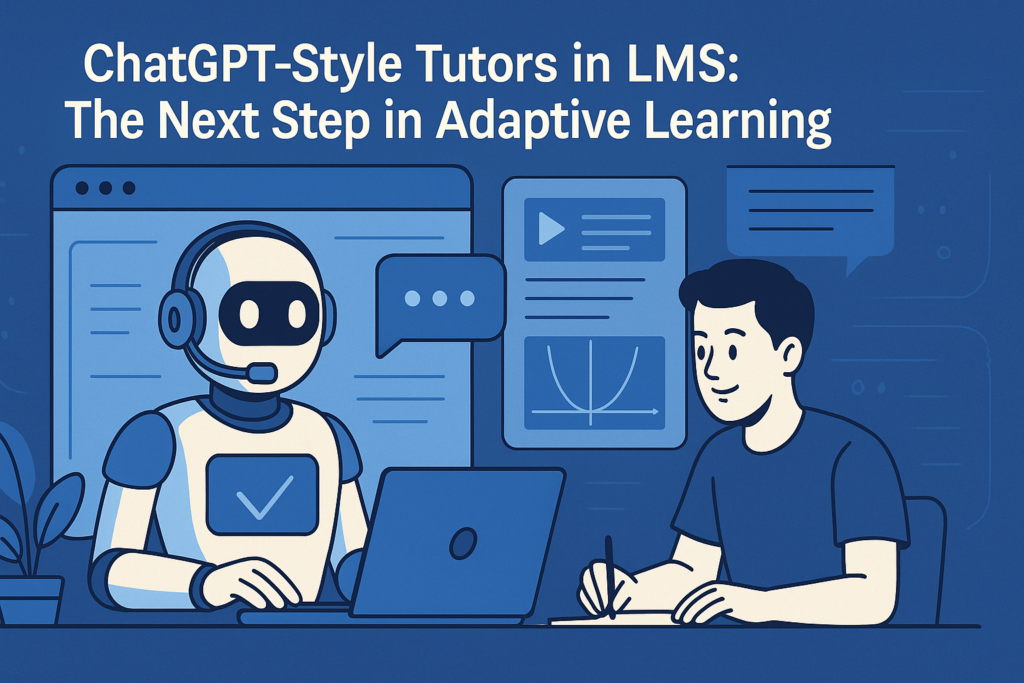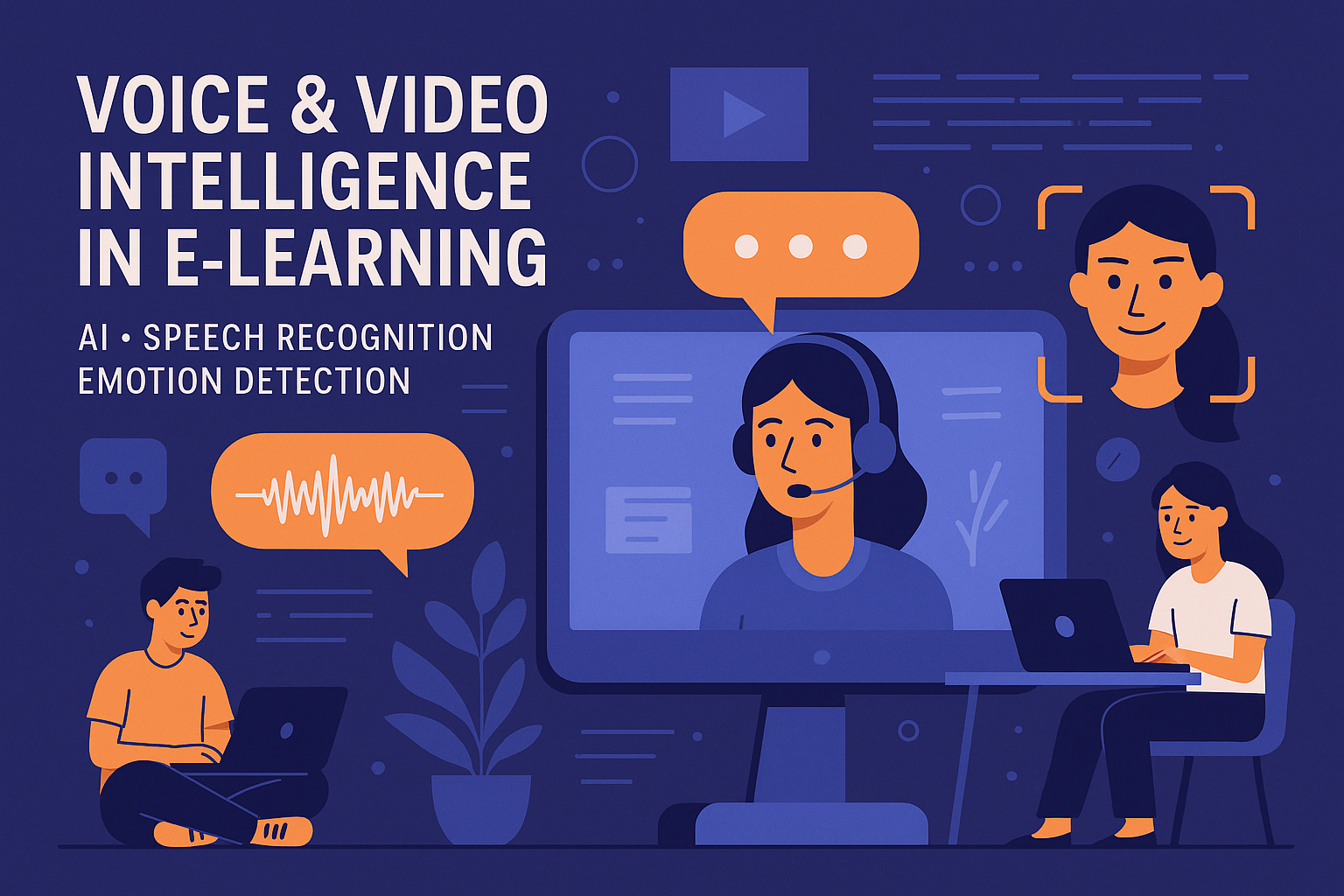
Voice and video intelligence — powered by advanced speech recognition and emotion detection — is redefining how we teach and learn online. These technologies bring emotional depth, interactivity, and personalization to virtual classrooms, turning static lessons into adaptive, human-like experiences.
Forward-thinking companies like Trembit, known for real-time AI and media platform expertise, are at the forefront of this evolution, helping e-learning providers integrate cutting-edge voice and video analytics into their platforms.
The Impact of Voice and Video Intelligence in E-Learning
Modern e-learning systems enriched with AI voice and video intelligence show measurable gains in engagement, retention, and assessment quality. Learners not only receive personalized support but also benefit from emotionally aware feedback that mirrors real-life human teaching.
Key Benefits for Learners and Institutions
| Category | Description | Example Use Case |
| Engagement | Learners stay motivated when lessons adapt to their tone, pace, and mood. | Detect boredom and switch to interactive mode. |
| Assessment Accuracy | Speech-to-text engines ensure consistent grading of oral or verbal assignments. | Automated language skill testing. |
| Personalization | Lessons adjust based on detected emotional and cognitive states. | More practice offered after detecting confusion. |
| Accessibility & Inclusion | Supports differently-abled learners via voice commands and captions. | Speech input for students with mobility challenges. |
Result: Students feel heard, literally and emotionally, leading to deeper understanding and long-term knowledge retention.
Technology Breakdown: From Speech Recognition to Emotion AI
Behind the scenes, sophisticated deep learning architectures enable seamless speech recognition and emotion interpretation. These models learn from millions of data points — voice tone, rhythm, facial micro-expressions — to understand what is being said and how it’s said.
Core Technologies Powering Voice and Video Intelligence
| Technology | Primary Function | Popular Model/Tool | Typical Application in E-Learning |
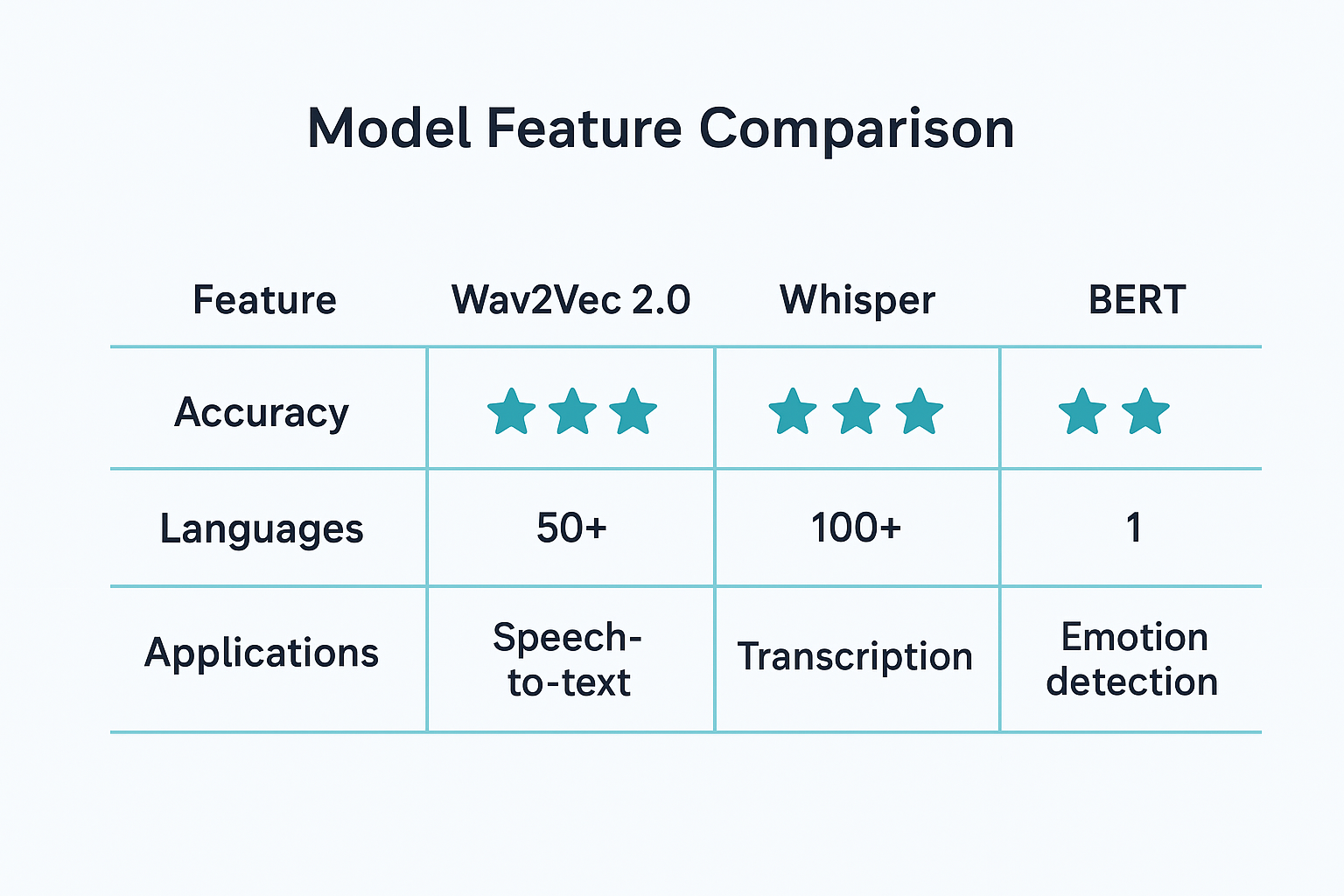
| Speech Recognition | Converts spoken input to accurate text. | Wav2Vec 2.0, Whisper | Auto-captions, real-time Q&A, pronunciation scoring. |
| Emotion Detection | Identifies affective states from audio or video signals. | BERT, LSTM, Self-Attention Networks | Emotion-based feedback loops and adaptive lessons. |
| Video Intelligence | Tracks facial and gestural engagement. | WebRTC, CNN-based Vision Models | Detects attentiveness and collaboration in group sessions. |
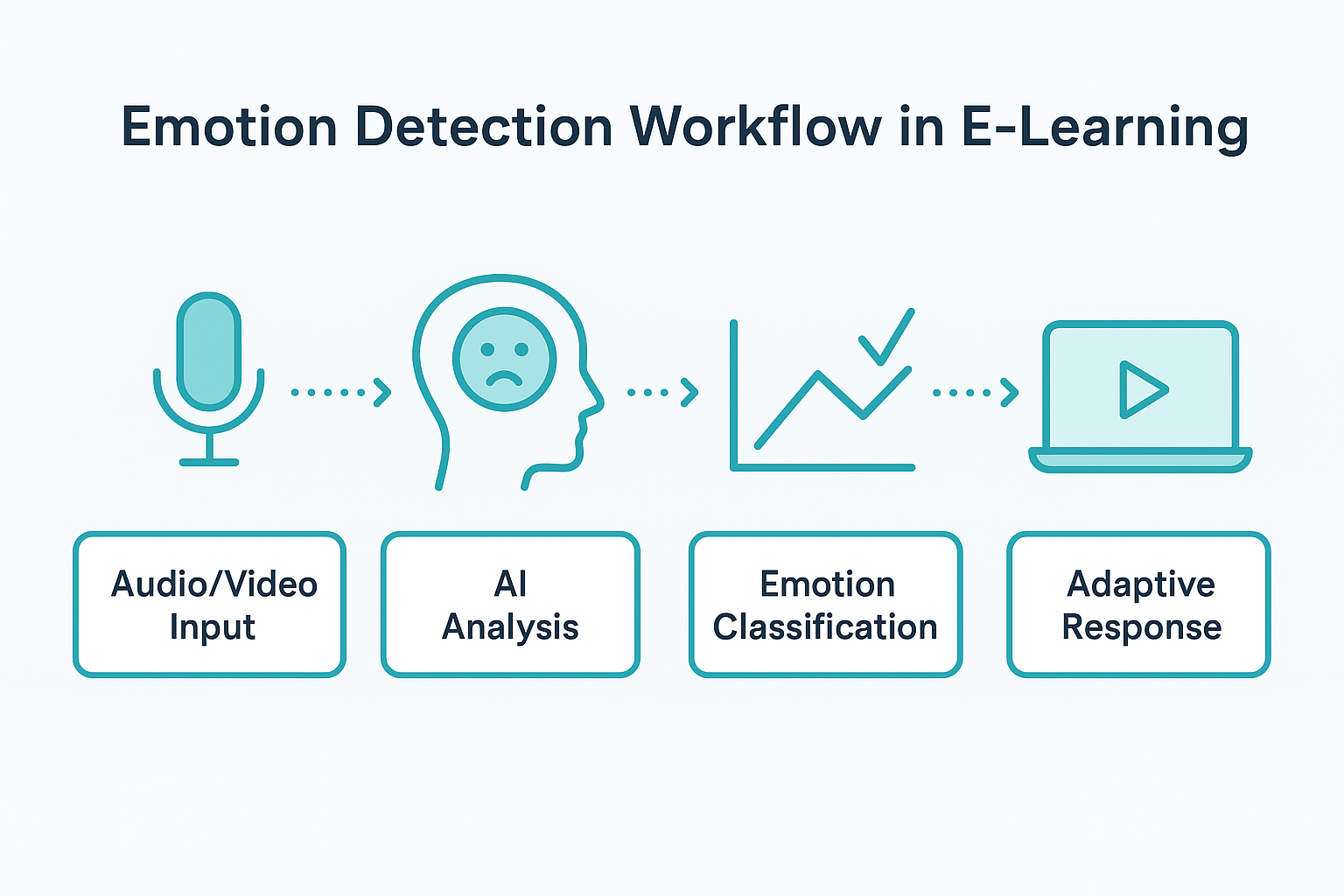
How It Works
- Capture – The system records the learner’s voice or video streams.
- Processing – AI extracts features like pitch, tone, or micro-expressions.
- Analysis – Models classify emotion or speech content in real-time.
- Response – The platform adapts difficulty, provides hints, or suggests breaks.
Trembit’s Specialized Expertise
Trembit’s role in this transformation is pivotal. Our AI-driven e-learning solutions integrate speech, video, and emotional analytics into one unified ecosystem.
Trembit’s Core Competencies
- Real-time Media Platforms — Expertise in WebRTC, Wowza, and AI-enhanced streaming workflows.
- AI-Powered Recognition Systems — Development of speech recognition, object detection, and emotion analytics modules for educational software.
- Seamless Integrations — Embedding adaptive analytics into LMS and video conferencing tools for tailored learning paths.
- Metadata Enrichment & Tagging — Automatic indexing of educational content for easier discovery and better learning analytics.
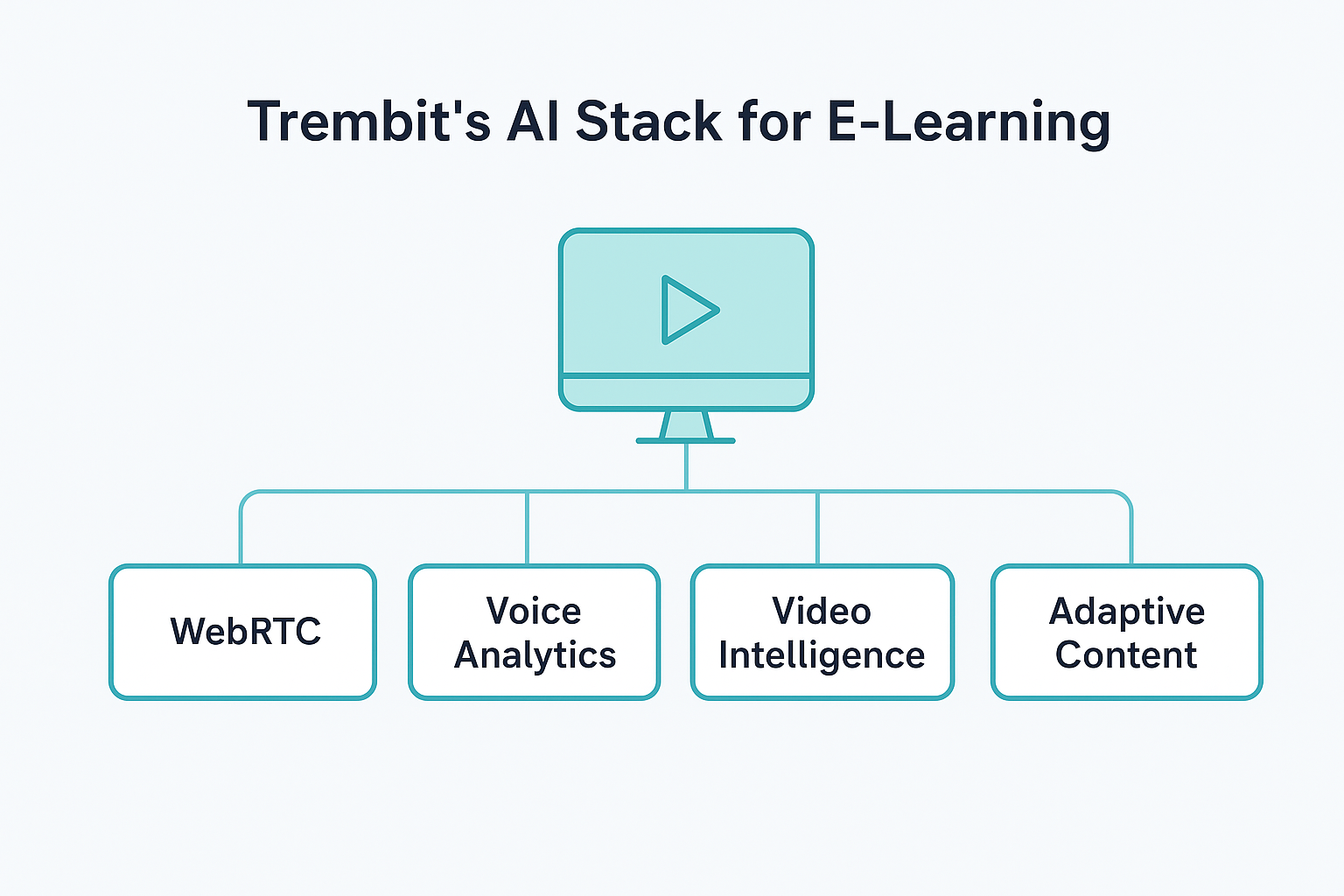
👉 Outcome: Educational providers gain data-rich insights into student engagement and performance, helping them deliver more meaningful and efficient learning experiences.
Latest Research and Market Trends
Recent academic and commercial innovations reveal a shift toward multimodal fusion models, which combine audio, text, and video cues for superior accuracy in emotion detection.
Emerging AI Research Highlights
- SSPM-ATT Framework – Merges Wav2Vec (speech) and BERT (text) embeddings to detect emotions with sub-utterance precision.
- Whisper Models – Deliver exceptional transcription across 50+ languages, ideal for multilingual e-learning environments.
- Real-Time Adaptation Systems – New prototypes dynamically change visuals, voice tone, or quiz difficulty based on learner mood.
Market Insights (2024–2025)
| Trend | Impact on E-Learning | Adoption Example |
| Emotion-Aware Tutoring | Personalized lesson pacing and tone. | Duolingo and Coursera pilot AI emotion tutors. |
| Voice-Based Navigation | Hands-free learning for accessibility. | Google Classroom voice modules. |
| AI-Powered Assessment | Automatic oral grading and sentiment scoring. | Microsoft Reading Progress. |
| Privacy and Ethics Compliance | Emotion data managed under GDPR-compliant standards. | European EdTech providers adopting federated learning models. |
Bridging Technology With Human Value
Voice and video intelligence in education isn’t just about automation — it’s about empathy.
By detecting what students say and how they feel, AI systems can personalize content, recommend rest, or boost motivation, bringing online learning closer to the warmth of in-person teaching.
Trembit’s technical excellence ensures that e-learning platforms are not only smarter but also more human-centered, helping educational organizations unlock the next level of learner engagement and retention.
Conclusion
As e-learning continues to expand globally, intelligent voice and video analytics are becoming key differentiators for top-performing platforms. For institutions aiming to future-proof their educational offerings, partnering with companies like Trembit can bridge the gap between technology and true emotional intelligence in learning.